

Palm Kernel Expeller for Dairy Feed: A Cost-Efficient Energy and Protein Source for Modern Feed Formulation
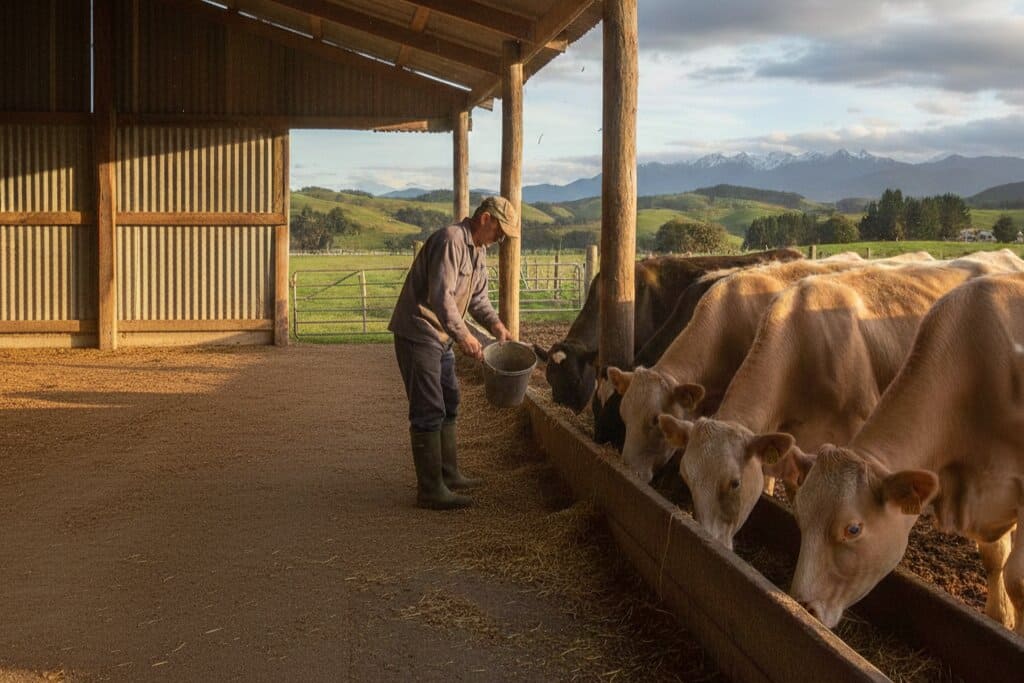
The global dairy industry is under constant pressure to improve feed efficiency while controlling costs. As soybean meal and corn prices remain volatile, feed formulators are increasingly turning to alternative ingredients that offer stable supply and competitive nutritional value.
One ingredient gaining strong global attention is palm kernel expeller (PKE). Today, many nutritionists and feedmill operators are incorporating palm kernel expeller for dairy feed as a reliable source of digestible fiber, moderate protein, and energy for ruminants.
For dairy producers seeking cost-effective feed solutions without compromising performance, PKE has become a strategic component in modern ration formulation.
Why Palm Kernel Expeller is Used in Dairy Feed
Palm kernel expeller is a byproduct of palm oil extraction from palm kernel. While traditionally considered a secondary ingredient, it has evolved into a core component of ruminant feed formulations across Asia, Europe, and Oceania.
The main reasons dairy feed producers use palm kernel expeller include:
Competitive cost per nutrient value
Consistent bulk availability
High digestible fiber for rumen health
Moderate protein content
Reliable global supply from Indonesia and Malaysia
Unlike monogastric animals, dairy cattle benefit from fibrous feed ingredients that support rumen fermentation. This makes PKE particularly suitable for dairy rations compared to many other agro-industrial byproducts.
Feedmills searching for a stable palm kernel expeller supplier from Indonesia are increasingly securing long-term contracts to ensure supply continuity as global demand rises.
Nutritional Value of Palm Kernel Expeller for Dairy Cattle
Palm kernel expeller provides a balanced nutritional profile that supports milk production when properly formulated within rations.
Typical Nutritional Composition
(Values may vary by crushing method and origin)
Crude protein: 14–18%
Crude fiber: 16–20%
Fat: 6–10%
Metabolizable energy: moderate-high
Good palatability for ruminants
The relatively high fiber content supports rumen function and helps maintain healthy digestion, especially in high-yield dairy herds.
When used alongside soybean meal, corn, or other protein meals, PKE helps balance feed cost without sacrificing performance.
According to global feed formulation practices referenced by FAO livestock nutrition resources, fibrous byproducts play an important role in sustainable ruminant feed systems.
Cost Advantage vs Traditional Protein Meals
One of the primary drivers behind rising demand for palm kernel expeller in dairy feed is its cost efficiency.
Soybean meal remains the dominant protein source globally, but its price volatility creates significant risk for feed producers. In contrast, palm kernel expeller typically offers:
Lower cost per ton
Stable year-round availability
Competitive cost per unit of digestible protein
Strong suitability for ruminant diets
As global feed raw material prices fluctuate, feedmills increasingly calculate cost not per ton, but per digestible nutrient delivered. This shift has made PKE a strategic ingredient rather than just a filler.
Many dairy feed producers now use PKE as part of a diversified protein strategy to reduce reliance on soybean meal alone.
Global Demand for Palm Kernel Expeller in Dairy Sector
The global trade of palm kernel expeller has grown steadily over the past decade, driven largely by demand from dairy-producing regions.
Key importing regions include:
European Union
New Zealand
Vietnam
Thailand
Middle East
China
These markets rely on imported feed ingredients due to limited domestic oilseed production. As a result, they actively seek reliable exporters capable of supplying consistent volumes.
Indonesia has emerged as one of the most important sources due to its large palm oil processing capacity and continuous production of palm kernel byproducts. Buyers looking for an animal feed raw material supplier often prioritize Indonesian exporters with proven logistics capability and stable sourcing networks.
Inclusion Rate in Dairy Feed Formulation
Palm kernel expeller is typically included in dairy rations at varying levels depending on production stage and feed objectives.
General inclusion guidelines used by nutritionists:
Dairy cattle (lactating): 10–25% of concentrate mix
Dry cows: 15–30%
Beef cattle: up to 40% in some formulations
The exact inclusion rate depends on:
Milk yield target
Availability of other protein sources
Fiber balance in ration
Energy requirements
When properly balanced with other ingredients, PKE supports consistent milk production and healthy rumen activity.
Supply Chain Stability and Bulk Availability
For feedmills operating at industrial scale, consistency of supply is often more important than marginal price differences.
Palm kernel expeller offers several supply chain advantages:
Continuous production linked to palm oil industry
Large export volumes from Indonesia
Available in bulk vessel and container shipments
Long shelf life when stored properly
Global buyers increasingly prefer working directly with exporters who can ensure consistent monthly supply rather than spot purchases from intermediaries.
Companies sourcing directly from origin gain better pricing visibility, quality consistency, and long-term supply security — key factors in maintaining stable feed production.
Sustainability and Byproduct Utilization
Another factor driving adoption of palm kernel expeller in dairy feed is sustainability.
As a byproduct of palm oil processing, PKE contributes to circular resource utilization within the agricultural sector. Instead of being treated as waste, it becomes a valuable feed ingredient supporting global livestock production.
With increasing global focus on sustainable sourcing, feed producers are prioritizing ingredients that maximize resource efficiency while maintaining economic viability.
Outlook: Growing Role of PKE in Dairy Nutrition
The future role of palm kernel expeller in dairy feed is expected to expand further as feed producers seek cost-efficient and reliable alternatives to traditional protein meals.
Key trends supporting continued growth:
Rising global dairy demand
Volatility in soybean meal prices
Need for diversified protein sources
Expansion of Asian dairy sector
Stable supply from Southeast Asia
Feedmills that secure long-term relationships with reliable exporters will be better positioned to manage cost fluctuations and ensure uninterrupted feed production.
As global feed producers continue optimizing formulations and securing reliable supply chains, palm kernel expeller will remain a key raw material supporting efficient and sustainable dairy production worldwide.
For buyers seeking stable bulk supply, working directly with experienced exporters from origin ensures consistency in both quality and long-term availability.